
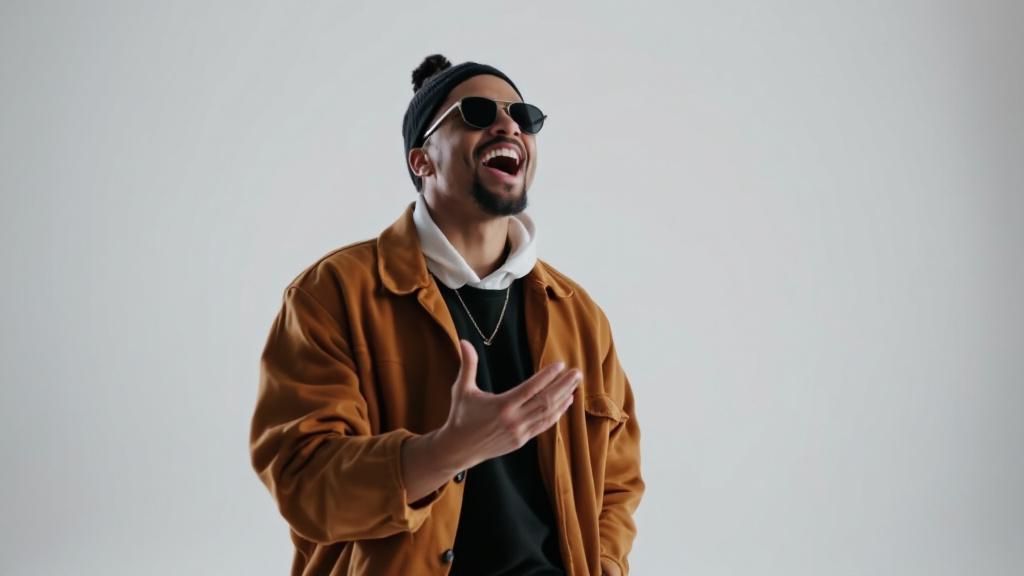
In an growing digital environment, social media has substantially altered how audiences discover, consume, and engage with music. A distinguished musician recently shared candid insights into this seismic shift, examining how platforms like TikTok, Instagram, and YouTube have reshaped the entertainment industry. From broadening access to emerging artists to challenging traditional record label models, social media’s influence is undeniable. This article analyses the prospects and obstacles facing modern musicians, delving into how they’re adjusting their methods to thrive in an era where viral moments can propel artists to fame overnight.
The Growth of Direct Audience Connection
Social media has profoundly reshaped the connection between artists and fans, removing established middlemen that once controlled artist-fan communication. Platforms such as Instagram, TikTok, and Twitter now enable artists to broadcast their artistic development, personal thoughts, and upcoming work directly to millions of followers instantaneously. This unprecedented access has fostered stronger, more genuine relationships between performers and their fanbase, converting casual audiences into engaged communities who feel authentically engaged with an performer’s creative path and professional development.
The effects of this direct engagement are profound and multifaceted. Artists can now collect instant responses on fresh work, test concepts with their fanbase before formal distribution, and foster engaged audiences that provide invaluable support throughout their professional lives. Furthermore, this opening up of channels has given independent creators the ability to develop large followings independently, circumventing traditional barriers that conventionally shaped the entertainment industry. Consequently, the established hierarchies between record labels, promoters, and artists have changed substantially, generating new possibilities for creative autonomy and economic self-sufficiency.
Drawbacks of Constant Connectivity
Whilst social media has unquestionably opened doors for aspiring musicians, the relentless demand for perpetual content output presents substantial difficulties. Artists now find themselves required to sustain an virtually uninterrupted online presence, creating captivating posts, stories, and videos to sustain audience interest and algorithmic visibility. This pressure redirects essential resources and focus from actual musical creation, risking damage to the calibre of artistic work. Furthermore, the demand for constant accessibility can exact a significant cost on mental health, as musicians contend with public scrutiny, hostile remarks, and the anxiety of maintaining relevance in an ever more crowded online space.
The algorithm-driven nature of social media platforms creates further challenges for artists pursuing long-term career viability. Achievement is not determined solely by creative ability or artistic quality; instead, it relies significantly on grasping platform mechanics, posting schedules, and content trends. This lack of predictability means that even highly skilled artists can find it difficult to build momentum, whilst others gain widespread attention by being novel rather than authentic creative work. Moreover, the transient nature of social media attention means that sustaining success demands ongoing transformation, trapping artists caught in an relentless pattern of change and output that often feels disconnected from authentic creative expression.
The Prospects of Musical Content and Digital Platforms
The progression of the music industry appears deeply intertwined with the evolution of digital platforms. As artificial intelligence technologies continue to advance, customised music suggestions will become ever more advanced, significantly transforming how consumers encounter new artists. Music streaming platforms are pouring investment into algorithmic playlist creation, which aims to expand creative access further whilst concurrently generating questions about creative quality and market sustainability. The musician emphasised that adaptability will be crucial for those seeking longevity in this fast-changing landscape.
Emerging technologies present both remarkable possibilities and significant obstacles for today’s musicians. VR performance experiences, blockchain-based royalty systems, and non-fungible tokens embody emerging spaces that creators are commencing to examine experimentally. However, the enduring feasibility of these innovations is unclear, and numerous artists voice doubt regarding their sustained potential. The general agreement indicates that whilst experimentation is essential, preserving genuine engagement with listeners through established channels proves equally important for creating sustained professional success and establishing genuine fan loyalty.
Looking ahead, accomplished musicians will probably adopt combined approaches that harness social media’s reach whilst maintaining artistic vision and creative control. The democratisation of production tools means that home-based creators now stand shoulder to shoulder with major studios, significantly transforming market dynamics. Nevertheless, the human element—the art of storytelling, emotional depth, and authentic connection—cannot be duplicated by technology or algorithms. The musician determined that this equilibrium of authenticity and innovation will ultimately shape the coming generation of music industry achievement.
